
Overview
As support for arts and culture journalism dwindles, we lose something vital: the ability to thoroughly assess our cultural institutions and the phenomena that shape our visual and material culture. We also risk losing a whole new generation of reporters with the skills and acuity to do this kind of work, as insecurity in the field means fewer opportunities for mentorship, fewer job openings for emerging journalists, and meager compensation.
The Momus Arts Journalism Residency aims to offer the kind of resources and support that have become increasingly rare and necessary in arts and culture reporting. The Residency endeavors to reignite excitement around the power and potential of the deep, well-researched reporting that drew many of us to this work. It also seeks to nurture a sense of community in a field that can feel isolating, bringing together experienced and emerging practitioners in a supportive space, encouraging connection-making and network-building. We learn best from each other.
Program
The Residency will be led by Catherine G. Wagley (Momus Editor and winner of the Rabkin Prize in Visual Arts Journalism, 2019) and a faculty of accomplished arts journalists.
The program will be conducted in English and consist of two weekly sessions totaling 4 hours per week: seminars on Mondays and workshops on Thursdays. Monday seminars will be led by faculty focusing on one or two of their own published texts, discussing the craft- and reporting-related challenges they faced. During Thursday workshops, the residents will meet to debrief and discuss in a more informal setting. They will also workshop a pitch, shaping it with the feedback of the other writers, editors, and facilitators participating in the residency.
Together, the seminars and workshops both offer opportunities to explore three equally important aspects of an arts journalist’s work: The mechanics of the craft, including pitching, working with editors, reporting, and writing; the ethics and power structures at play in arts journalism (e.g., how to address your own subject position and biases while trying to tell a story fully and fairly; and how do you write about art world figures with outsized power, especially when they threaten to retaliate against you or your commissioning publication?); and the very real question of survival and sustainability in this precarious industry (what strategies do journalists employ to make a living, or livable, wage?).
Testimonials
Angella d’Avignon“This residency connected me to writers all over the world and helped me see that while lonely and solitary, writing is a communal act. I’d recommend this residency to new writers but also to mid-career writers who are feeling burnt out or stuck.”
Clarissa Brooks“It’s given me new life to keep writing and working on building new skills as a critic.”
Mariado Martínez Pérez“Arts Journalism will always be relevant, don’t let anyone tell you otherwise. This is something I reminded myself during the entire Momus Arts Journalism Residency. Through each session we learned how to refine the craft, but we also built a sense of community. It was a safe space where to discuss the very real and palpable questions that emerge when pursuing arts journalism and when thinking about its future; all with perspective, vulnerability and honesty.”
Pramodha Weerasekera“I never thought that ‘writing’ could be an actual job, whether as a journalist, academic, let alone an art writer or critic! I have also felt a sense of romance around the act of writing which undermines the intellectual labor I would put in through research and a creative skill I have honed over years. I have happily taken on assignments for free, undermining myself and my skills. The workshop made me understand that writing could actually be more than this romantic notion, if I let it be that. It is indeed a ‘job’ and I must let go of this romance and other socio-cultural stereotypes of it to pursue it seriously, especially since I want South Asian modern and contemporary art to receive the recognition and critical engagement it deserves.”
By faculty and residents

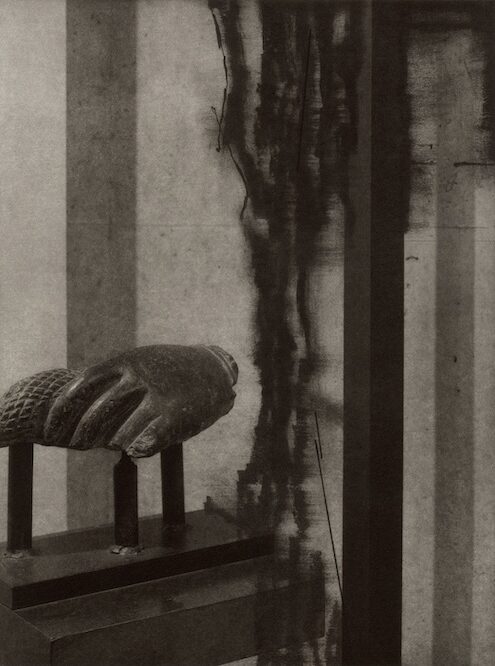
“How Do Artists Survive an Autocracy”
Carolina A. Miranda
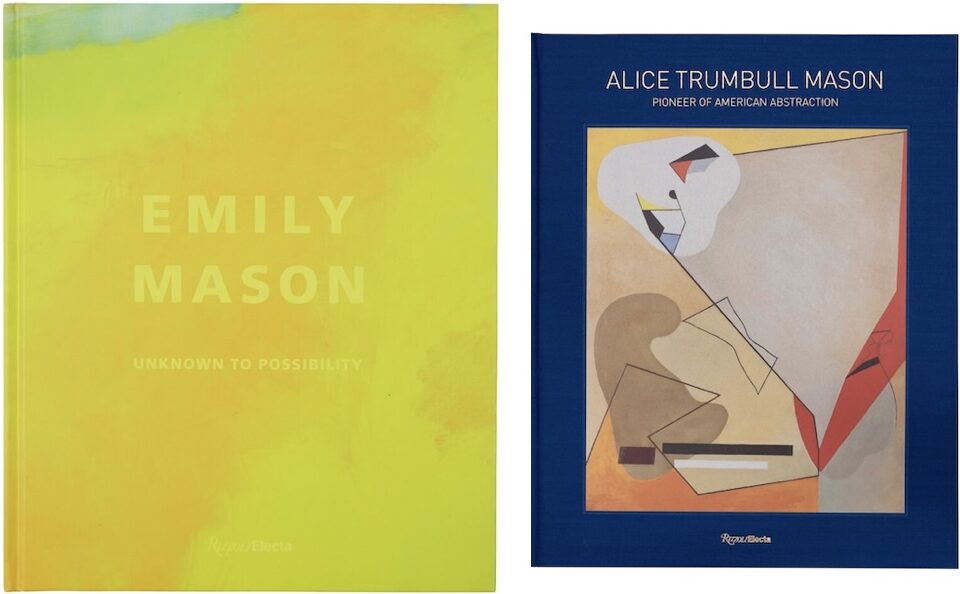

“Applying Your Attention”
Niela Orr

“A Body in Delhi”
Arushi Vats